Hey stargazers! Get outside to see Comet Lemmon tonight. Use our guide to help!
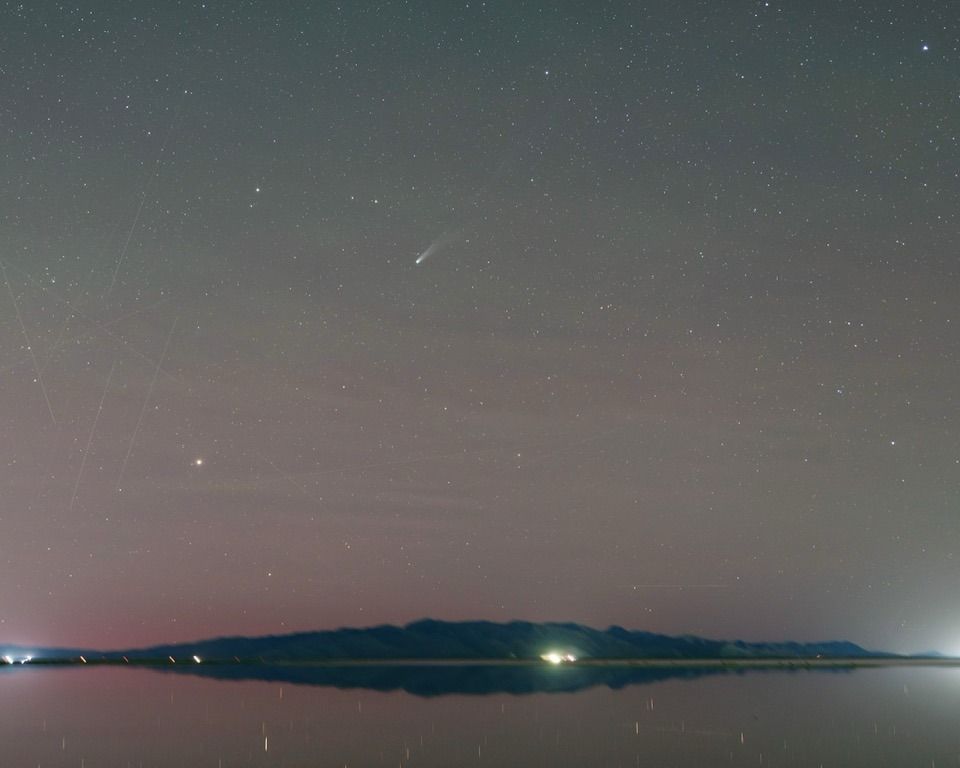
Comet C/2025 A6 (Lemmon) in the skies of Utah. Photo credit: Martin Ratcliffe
Comet C/2025 A6 (Lemmon) made its closest approach to Earth on October 21 and continues to brighten as it heads inward toward our Sun. The comet was last visible over 1,300 years ago and won't be visible again for another 1,100 years. That's because this close pass of the Sun, on November 8, will be close enough to alter the comet's orbit.
First discovered on January 3, 2025, Comet Lemmon has been steadily brightening. It's expected to be visible to the unaided eye, though it is still difficult to spot without binoculars right now. It could be the best comet of 2025, though it's not the only one out right now. Comet C/2025 R2 (SWAN) is also visible in the evening skies, looking south below the bright star Altair. Both comets are best viewed in dark skies.
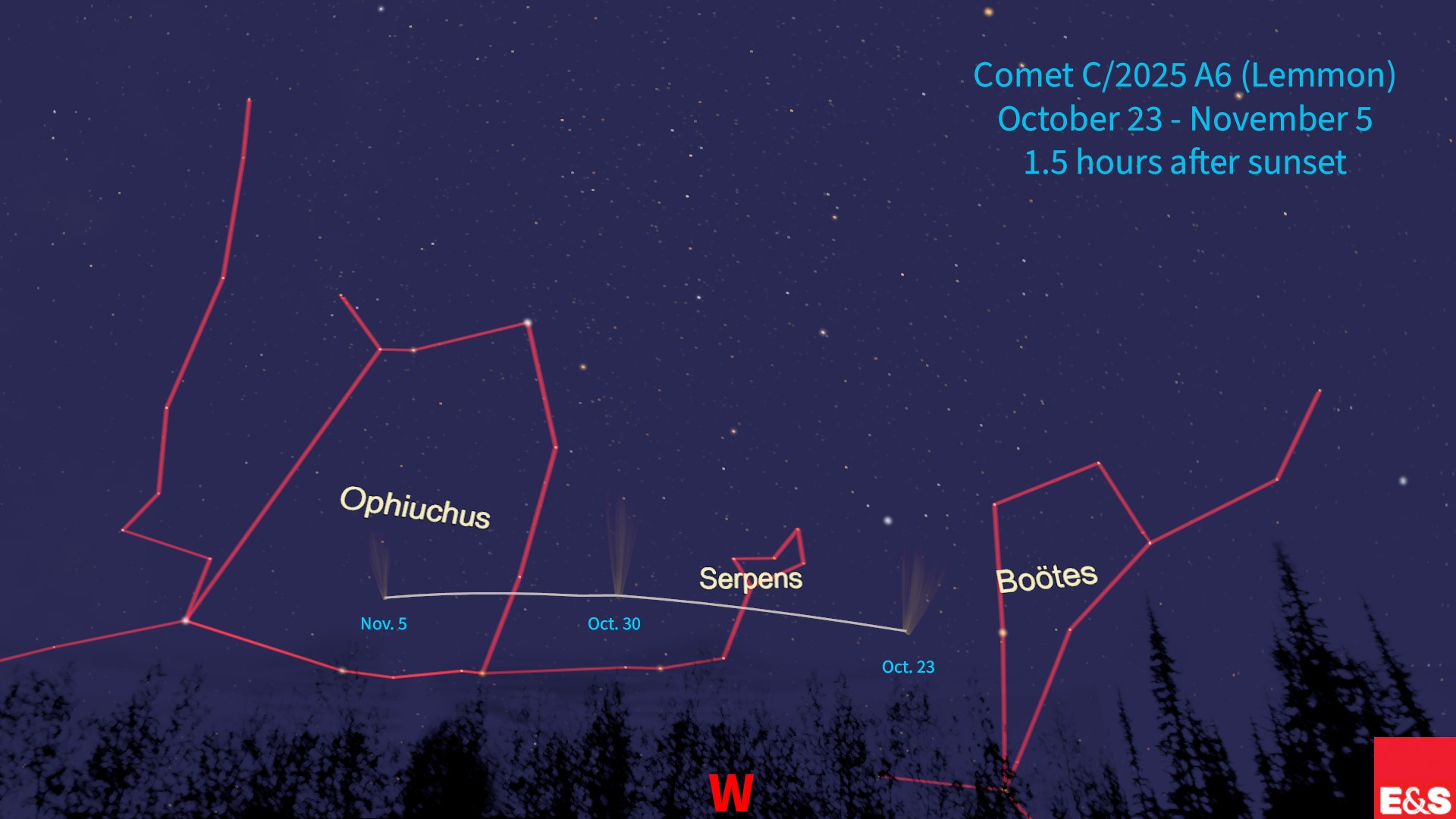
Comet Lemmon's position from October 23 to November 5. Click image to expand. Made with Digistar.
Over the next two weeks, Comet Lemmon will be moving southward in the evening skies. In mid-October, it can be found by using the handle stars of the Big Dipper to "arc to Arcturus," the brightest star at the base of Bootes. By the end of October and into November, it can be found below the bright stars of the summer triangle in the constellation Ophiucus.
Check out these great photos of Comet Lemmon from our colleagues across the US!
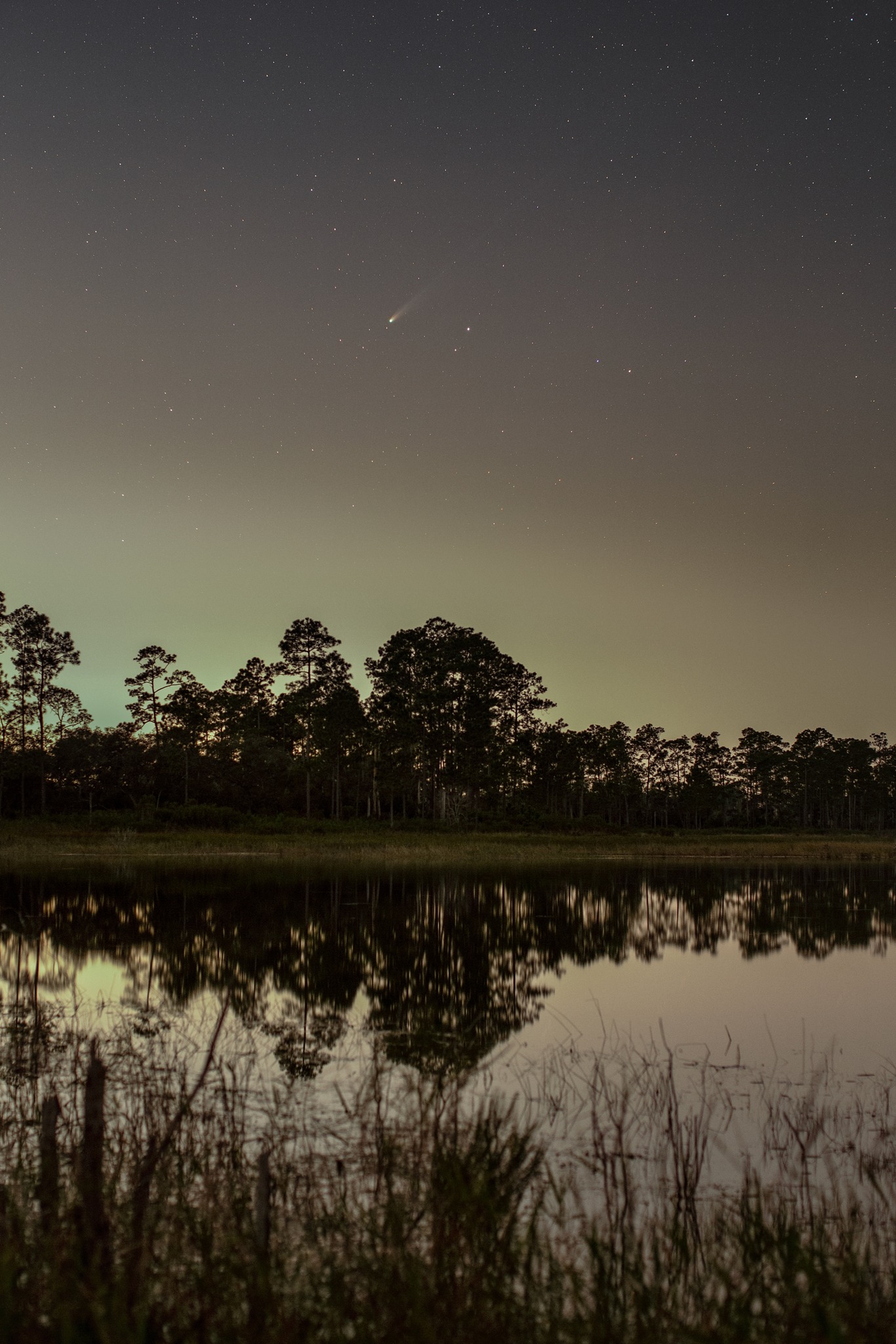
Comet Lemmon in the skies of Ocala National Forest in Florida. Photo credit: Derek Demeter
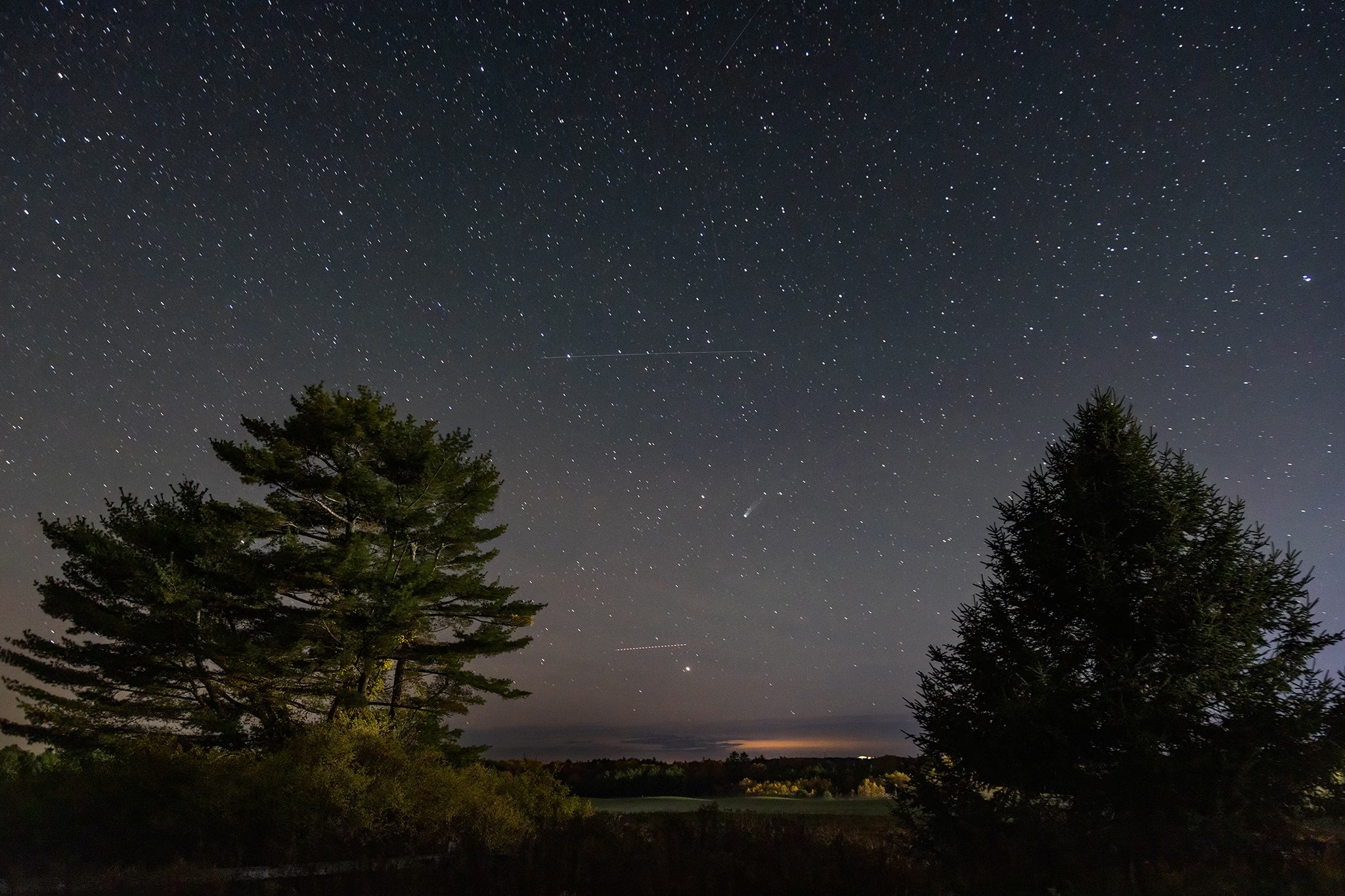
Comet Lemmon can be seen between two trees in this photo from Maine. Photo credit: John Meader